Wedding Return Gifts in India: What to Give and How Families Actually Choose
Start with your family's custom, decide whether you are gifting per guest, couple or household, then choose by budget and closeness.

The return-gift discussion in an Indian family rarely begins with a product catalogue. It begins around a dining table or inside a family WhatsApp group. One person wants haldi-kumkum and a traditional box. Someone else says every house already has enough boxes. The couple wants something useful. An aunt suggests silver. And the planner asks the question nobody has answered yet: is this one gift per guest, per couple, or per family?
Everyone is answering a different part of the same problem. A return gift is not only an object: depending on the family it is part of a ritual, a gesture of hospitality, something sweet for the journey home, or a personal thank-you to the people who carried the wedding. The right gift starts with knowing which of those jobs it has to do, and then one test decides the rest: three months from now, will it still be in their life, or in the cupboard with every other wedding's candle?
Use this quick guide after deciding whether your gifting unit is one guest, one couple or one household:
| Budget | What to give |
|---|---|
| Under ₹500, the full guest list | Tradition, done properly: thamboolam, Meenakari boxes, brass diyas, kumkum sets, good sweets |
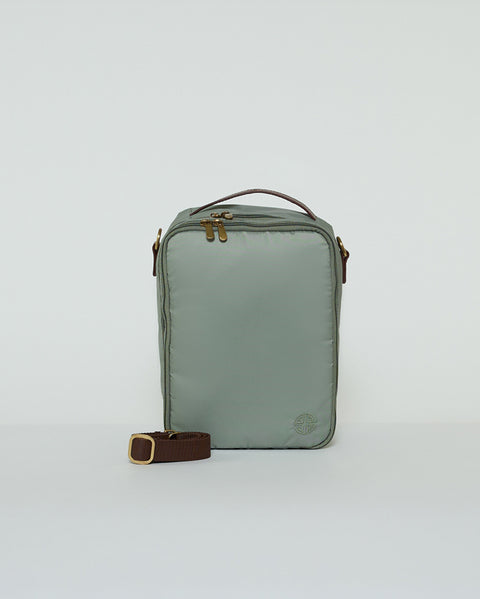
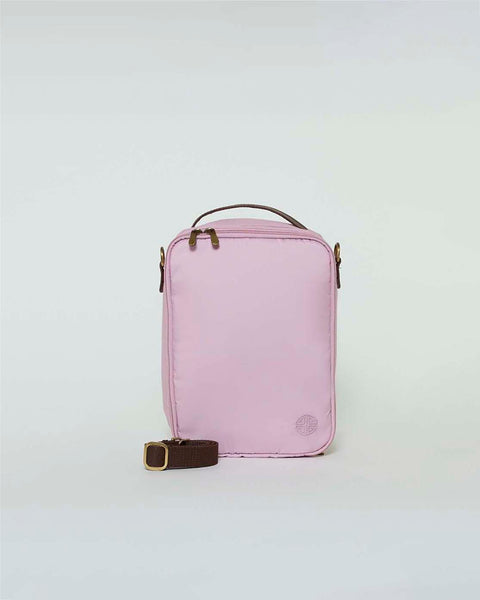
| ₹500 to ₹2,000, the closer list | Something they will actually use: a NORI organiser (₹999 to under ₹2,000) over the fourth casserole |
| ₹2,000 to ₹5,000, the inner circle | A gift with their name on it: an engraved organiser set, or Jewliet (₹3,499) |
| ₹10,000 and up, the two or three people you owe the most | The Cabin Weekender Set (₹12,798), engraved |
First: not every Indian wedding has the same return-gift custom
"Indian wedding return gift" sounds like one custom. In practice it varies by region, religion, community, and family. In many South Indian weddings, thamboolam is an auspicious offering: betel leaves and areca nut at its centre, often with turmeric, kumkum, coconut, fruit, sweets, or cloth. The ritual items are the reason the gift exists, not decorative filler. Other families send guests home with a mithai box or dry fruits; some Marathi families give faral; some communities reserve gifts for close relatives or for women at a particular ritual; some traditionally give no formal return gift at all.
So the first question is not "what is trending?" It is: what does sending a guest home properly mean in our family? Ask the elders on both sides. If the couple comes from different communities, agree which customs will be represented. Tradition should give the gift meaning, not become a last-minute item added because somebody might object.
Decide these four things before choosing anything
1. The gifting unit. One gift per household, per couple, per guest, or per woman at a specific ritual? Count units, not invitation cards; a 400-guest wedding may need far fewer than 400 gifts. Write the rule in one sentence and apply it consistently.
2. Which part is tradition and which part is choice. If thamboolam, sweets, cloth, or silver has ritual importance, lock that first. The couple can still modernise the bag, the packaging, or the accompanying gift.
3. Whether there is a separate inner circle. Build this list from contribution and closeness, not social status. The general gift says "thank you for celebrating with us." The inner-circle gift says "we know what you did for us." Different messages, different gifts.
4. The handover moment. A farewell gift belongs near the exit, handed over with thanks. A favour can sit at a place setting. A substantial inner-circle gift is better given personally, ideally the day after, away from the distribution queue. A ₹300 box given warmly beats a ₹1,000 object collected from an unattended table.
The full guest list: tradition, from people who do it well
For two hundred guests at a few hundred rupees each, tradition wins, and it has real specialists. Wedtree built an entire business on wedding return gifts and is where many families start. Ashtok does brass, copper, and German-silver pieces with weight and meaning. Meenakari specialists like Ikyem and Prashaa carry the painted boxes and trays that photograph beautifully on a thali. Your family's own trusted mithaiwala, jeweller, and puja-items shop are equally legitimate routes: you can see the quality, adjust quantities, and choose what your guests will recognise. Whatever the source, inspect one finished sample, box included, before approving the full quantity.
For a destination wedding, there is a warmer route still: a locally made sweet, textile, or craft from the place everyone gathered, with a small card explaining it.
The closer list: where usefulness starts to win
Colleagues, friends, the cousins you actually talk to. The classics here are household things: serveware, dinner sets, home linen, silver-plated pieces. They are classics because they are useful and safe, and their weakness is that everyone knows it: most households already own a shelf of wedding casseroles.
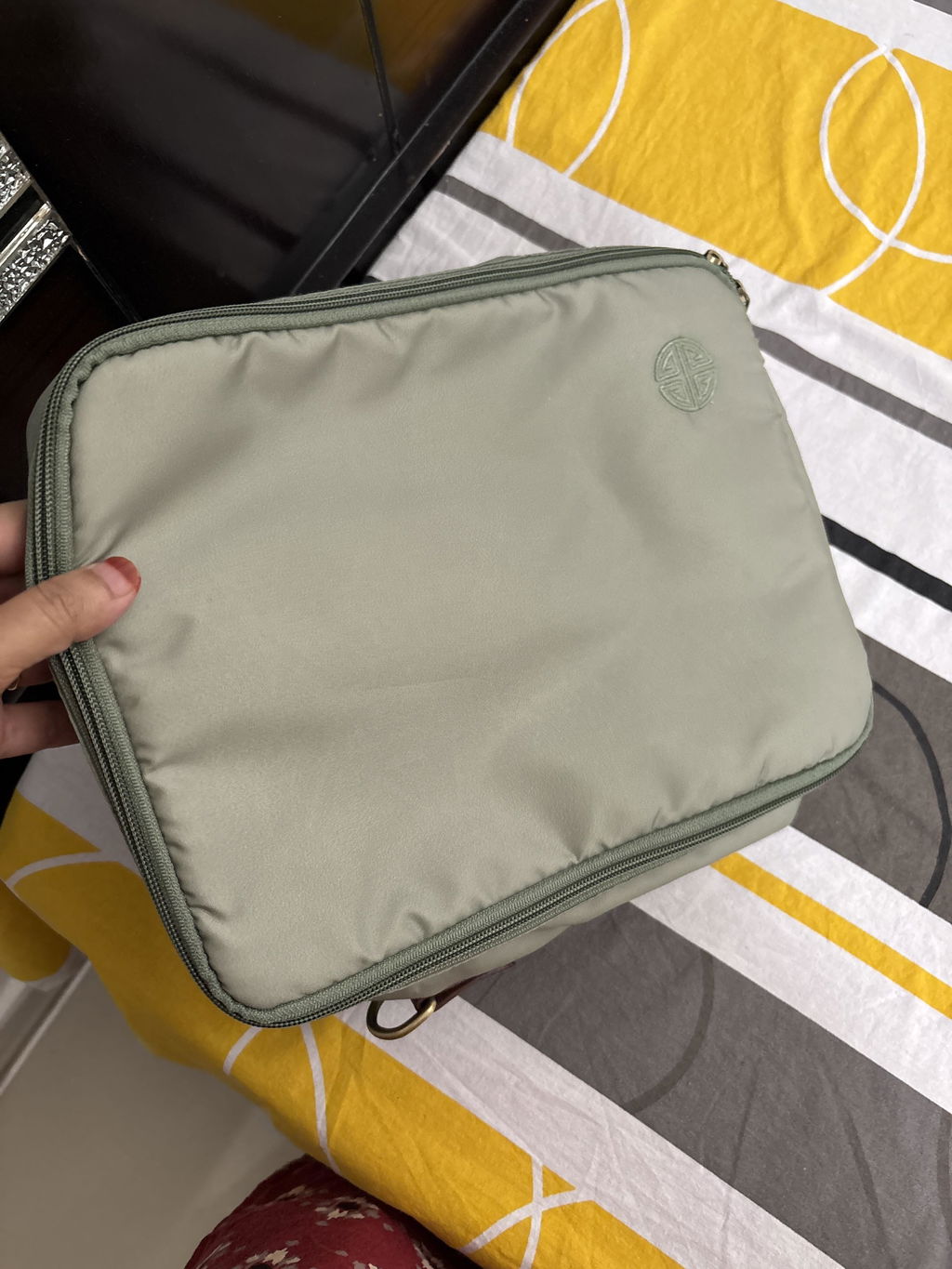
This is where a well-made bag or organiser quietly beats the classics, because it is the useful gift nobody already has three of. The Vaulette (₹999) goes into every bag its owner packs from then on. The Solemate shoe organiser (under ₹1,300) ends shoes-touching-clothes forever. The Glowkit (under ₹1,500) organises makeup with a built-in mirror and doubles as a sling. The Pack Duo Set (under ₹2,000) boxes the shoe and innerwear organisers as one gift. One note of care: the Vaulette is an innerwear organiser, a lovely gift for a friend or cousin you know well, not a blind pick for a list of acquaintances.
The inner circle: the tier nobody plans, and the reason it matters most
The bridesmaids. Your sister. The aunt who ran three days of logistics. The friend who held the lehenga, the phone, and the crisis at the same time. Your wedding actually ran on these people, and at most weddings they walk away with the same favour as two hundred acquaintances, and everyone quietly knows it does not match what they gave.
Look at that list again: at most Indian weddings, it is largely a list of women. That is worth saying plainly, because it changes what the right gift is. The usual reach at this tier is jewellery, a watch, or perfume, and each is a gamble on taste that misfires as often as it lands. The better move is to choose by the person, not the demographic, and to pick things designed for the life they actually live. This is exactly where NORI stops being one option among many: the brand's whole design method is built around how Indian women pack, carry, and organise, cubes sized to a saree fold, organisers shaped for real jewellery and real makeup, colours a bride's circle would actually choose.
Two gifts do this tier justice:
A gift with her name on it. An organiser set, from the Max & Midi pair (₹1,699, MRP ₹1,999) to the Overnighter Set of 4 (₹2,999) or Explorer Set of 5 (₹3,999), engraved. Personalisation is available; the guest's own name is the premium move, the couple's names with the date is the classic. A named gift cannot be regifted, cannot be confused with anyone else's, and says the one thing this tier needs to say: we saw what you did.
Jewliet (₹3,499, MRP ₹3,999). A jewellery organiser built for Indian jewellery, not a generic western tray: 7 to 8 chains held without tangling, 8 rings, three sets of earrings, real space for jhumkas and bangles, plus a watch. Vegan leather, and it converts into a clutch and a sling, so it attends the next function instead of staying home. For bridesmaids it threads a needle nothing else does: jewellery-adjacent, beautiful at the wedding, used every month after, and zero gamble on anyone's taste in actual jewellery.
The two or three people you owe the most
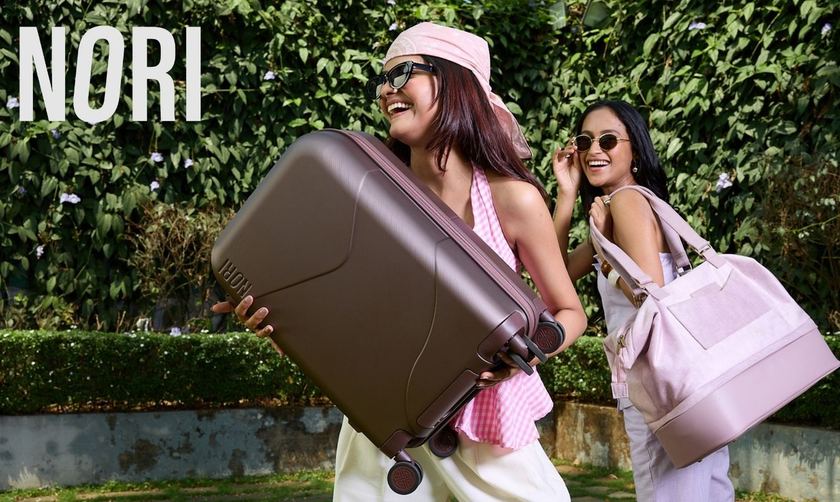
Some debts a favour cannot carry: the sibling who managed the vendors, the friend who flew in for a week of work. For them, a full gift set with their name on it, the Cabin Weekender Set (₹12,798, MRP ₹15,998), a hardshell cabin suitcase and a weekender tote in one colourway. It travels with them for years with your gratitude attached, and it is backed like a serious purchase: a 6-year warranty and a 100-day trial on the luggage, 30-day returns on soft pieces.
Presentation: the wedding on the wrapping, not printed on their life
Use the couple's names, monogram, date, and colours on the box, ribbon, tag, and thank-you card; those belong to the occasion and come off when the guest starts using the gift. If the object itself is personalised, the recipient's name ages far better than the couple's wedding date. And write two kinds of notes: tell general guests you are grateful they came; tell the inner circle what, specifically, you are thanking them for.
How bulk ordering actually works
Return-gift orders run 50 to 200 units, and the only rule is to start early. Reach NORI on a call, on WhatsApp, over Instagram DM, or at hello@mynori.com with your guest count, budget, and date; bulk pricing, and personalisation on bulk orders, are discussed per order. Ready orders take about three days; engraving adds roughly three to four days before dispatch, and larger engraved orders need more lead time, so for a November wedding, have the conversation in September or early October. For a genuine last-minute save, ask about express delivery: ready orders can be air-shipped and arrive within 24 to 48 hours.
Three practical rules from families who learned them the hard way: order about ten percent extra (guest lists grow at the door, boxes arrive dented); keep one colourway per tier (fifty gifts in one colour look like a decision, fifty in assorted colours look like leftovers); and label the named boxes on the outside, because sorting engraved gifts at a venue at 11 pm is an experience one family member will never forgive. Confirm spelling and colour before any personalised order; ask the team how changes to personalised pieces are handled before you need to know.
Engagement and housewarming: the same logic, smaller scale
Engagement return gifts run smaller lists and slightly warmer budgets, which pushes them naturally toward the useful tier. Housewarming return gifts follow the same test with one twist: the household is new, so useful wins even harder. Nothing changes except the headcount.
Questions families actually ask
Are return gifts compulsory at an Indian wedding?
No custom is compulsory, and expectations differ by community; some families give sweets only, some reserve gifts for close relatives, some do not follow the practice at all. Ask both families what matters before treating an internet list as tradition. If the budget is tight, a small traditional token at scale plus proper thank-yous covers the custom with grace.
Is a return gift given per guest or per family?
Either can be correct. Many families give one gift per household or per invited couple; some rituals and seated events call for individual gifts. Decide the gifting unit first, then calculate the quantity.
What is thamboolam?
Thamboolam is the traditional South Indian return offering given at weddings and functions: betel leaves and areca nut at its centre, often with turmeric, kumkum, coconut, fruit, sweets, or a small gift. Contents and recipients vary by family. The modern return gift grew from customs like this, which is why elders often judge a favour by its auspiciousness, not its usefulness. A wedding can honour both: traditional thamboolam at scale, useful named gifts for the inner circle.
What are good wedding return gifts under ₹500?
Traditional pieces do this tier best: Meenakari boxes and trays, brass diyas, kumkum sets, good sweets. Wedtree, Ashtok, and Meenakari specialists like Ikyem and Prashaa are dedicated sources; your family's own trusted shops are just as legitimate. They carry meaning at a price where useful gifts get flimsy.
What do wedding guests actually keep?
Things that enter their routine: organisers, boxes they repurpose, anything with their name on it. Things that surface only at the next cleaning: candles, frames, showpieces. Choose by tier accordingly.
What should we give bridesmaids instead of regular favours?
Something that acknowledges the difference in what they gave, without gambling on their taste. A named, engraved organiser reads as a personal thank-you rather than a favour from a carton, and Jewliet (₹3,499), a jewellery organiser built for Indian jewellery that doubles as a clutch and sling, was practically designed for this exact list.
Should the couple's names be printed on return gifts?
Put them on the removable packaging and the card. If the object itself is personalised, the recipient's own name is the one they will actually use for years.
What is the difference between a wedding gift and a return gift?
A wedding gift is brought by a guest for the couple; a return gift is given by the couple's family to guests. Different buyer, different recipient, different logic; if you are a guest choosing for a couple, use our wedding gifts guide.
When should we order return gifts for a November wedding?
Start conversations in September. Engraved bulk orders need the names list and extra dispatch time, plus courier time in festival season. October is workable; the week of the wedding is for express saves, not planning.
NORI designs thoughtful bags and travel gear in India around how women actually pack, carry, and move, and engraves them with names for the people who matter most. For bulk orders: call, WhatsApp, Instagram DM, or hello@mynori.com.