Corporate Gifting in India: The Complete Guide to Gifts People Actually Keep
Good corporate gifts are useful in an ordinary week, quiet about branding and visibly chosen for the person receiving them.

Corporate gifts are chosen by a room full of people who will never receive them. HR knows the employee list, sales knows the clients, finance knows the ceiling, and the recipient appears mainly as a row in a spreadsheet. That is not carelessness; it is the job. But it explains why, by December, most of the year's gifting budget is eaten, absorbed, or in a drawer: everything was optimised for the buyer's constraints, and nothing for the recipient's life.
The gifts that escape the drawer share three traits: useful in an ordinary week, quiet about branding, and visibly chosen for the person. This guide runs the whole corporate year through them, with real brands named at every step, the two tax rules that shape every budget, and the four decisions that make the choosing easy.
Use this quick guide to choose by budget per person:
| Budget per person | What to give |
|---|---|
| Under ₹500 | Consumables done well: Farmley or Bombay Sweet Shop hampers, good mithai, a small Ugaoo plant |
| ₹500 to ₹1,000 | A NORI Gift Card (from ₹999); or a Milton bottle, a desk plant, a Blue Tokai coffee box |
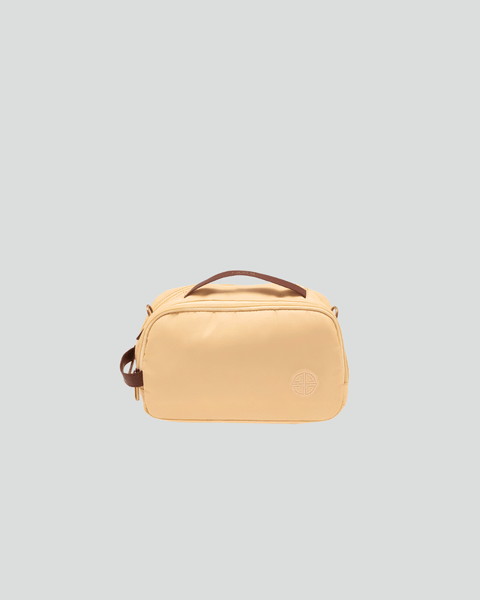
| ₹1,000 to ₹2,000 | The Pack Duo Set (under ₹2,000), Glowkit (under ₹1,500), or a cube set (under ₹2,000); a Vahdam tea box for the consumable route |
| ₹2,000 to ₹5,000 | An engravable packing-cube set with their name, or Jewliet (₹3,499) for a known recipient; a Forest Essentials set or an Apple AirTag if not |
| ₹5,000 to ₹10,000 | The Weekender (₹6,999), the Cabin Wheelie (₹8,999), or the Weekender Voyager Set (under ₹10,000); Nappa Dori for leather |
| ₹10,000 and up | An engraved gift set (₹11,998 or ₹12,798); Shaze or bulk Tanishq vouchers via Titan at the traditional top |
The four decisions behind every good corporate gift
1. What happened? "Corporate gifting" is not the occasion. A new employee joined. A team finished a hard year. Someone reached five years. A client renewed. A leader is retiring. Diwali is coming. Name the moment in plain language and the gift stops carrying an impossible general brief.
2. How well do you know the recipient? For a company-wide list, use categories with broad fit: food, plants, broadly useful bags and organisers, or choice. Avoid clothing sizes, fragrance, jewellery habits, and intimate categories unless the list is known. For a small known list, choose specifically; that is where a jewellery organiser or a makeup bag becomes thoughtful instead of presumptuous.
3. What should happen after it is opened? Shared (sweets, tea, coffee enter the home), used (bags, organisers, good drinkware enter a routine), experienced (a dinner or stay becomes a memory), or chosen (a card leaves the decision with them). No format is inherently more thoughtful, but only "used" survives to March, and that is the trait this guide optimises for.
4. How visible should the company be? A visible logo belongs in onboarding kits, events, and outward-facing merchandise; those programmes buy visibility on purpose. Appreciation is different: a gift with your logo on it is marketing; a gift with their name on it is appreciation. When a mandate wants both, do both: the logo on the card and the wrapping, the name on the gift. NORI engraves either, permanently; personalisation is available on team orders and discussed with the team.
The corporate year, moment by moment
Diwali (October to November) is the year's biggest gifting moment, with its own economics and calendar; our dedicated Diwali guide covers it brand by brand and tier by tier. The one-paragraph version: tradition wins under ₹500 a head, useful gifts win above it, names win everywhere, and September is when the programme gets decided.
Onboarding is the logo's honest home. A first-day kit is about belonging, and the branded notebook, bottle, and tote genuinely carry that message. The upgrades are relevance and one named piece: give the field hire a bag that fits the role rather than the same tote every function gets, and add one item with the joiner's name so the message changes from "you joined us" to "we expected you."
Work anniversaries should scale with the years. A named organiser at the early marks; at five years or a major award, something substantial: the Weekender or the Cabin Wheelie with their name, the bag that then carries a decade of their trips. The bag is not a reward because the person travels; it is a reward because it is useful, lasting, and substantial enough to carry the occasion.
Farewells are the one moment a logo is actively wrong. The person is leaving the logo behind; a logo gift on the way out is almost a joke at their expense. Reduce the branding, add the name, and if colleagues know the next chapter, choose something that belongs in it.
Client milestones live and die on taste. Deal closed, project shipped, year renewed: subtle, premium, useful, never loud. The consumable floor is gracious (a Vahdam corporate hamper, Fabelle, Forest Essentials); the ceiling is a named object they keep. The senior-list rule below applies double here.
December brings Secret Santa and the boss question. Secret Santa: ₹1,000 to ₹2,000, useful over funny, and a named piece wins the exchange. Gifting upward: group gifting is more comfortable than one expensive gift from one employee; a good pen, a diary, and a plant remain fine, and one step better is a useful, well-made, unbranded object, named only if the relationship supports it, between ₹1,000 and ₹6,000.
The downstream test, for the senior list
Before buying for founders, CXOs, or senior clients, ask one question: where will this gift be by Friday?
Watch what happens in a senior person's office after any festival. The sweets go to the team. The bottles, diaries, and standard hampers flow downstream, to junior colleagues, to household staff, because nothing in the pile was chosen for the person at the top, and the pile arrives every year. A gift survives seniority only if it is something they would keep for themselves: premium enough to signal genuine regard, distinctive enough to be remembered, and good enough that the family at home recognises it too.
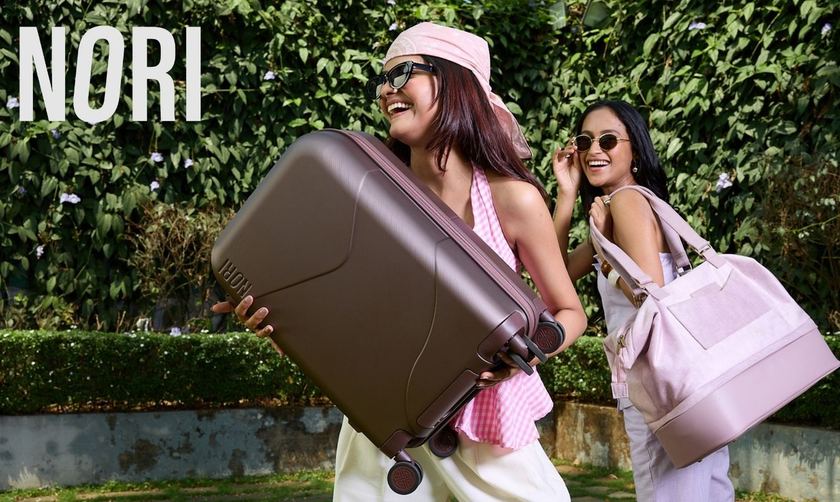
This is also the rule for gifting luggage, which companies do far more often than category blogs admit: gift at or above what the person buys for themselves. A budget trolley gifted to someone who travels with a Samsonite set is not a gift; it is a mismatch, re-gifted by the weekend. The engraved NORI sets are built for exactly this slot: designed-in-India premium, colourways nobody mistakes for a giveaway, their name on the shell, and a 6-year warranty and 100-day trial behind it.
The budgets, tier by tier
Under ₹500. Consumables win and should: Farmley, Bombay Sweet Shop, good mithai, a small Ugaoo plant. NORI does not make a product here.
₹500 to ₹1,000. The done-well classics: a Milton or Borosil bottle, an Ugaoo desk plant, a Blue Tokai or Sleepy Owl coffee box. For a mixed list, the smarter NORI answer is choice: a Gift Card from ₹999, never expiring, each person picking their own product, colour, and personalisation.
₹1,000 to ₹2,000. Premium consumables (Vahdam, Fabelle, small Kama Ayurveda sets) remain lovely and temporary. The keepers: the Pack Duo Set (under ₹2,000), the Glowkit (under ₹1,500) for people who travel with makeup, or a cube set, Max & Midi (₹1,699, MRP ₹1,999) or the Essentials Set of 3 (₹1,999).
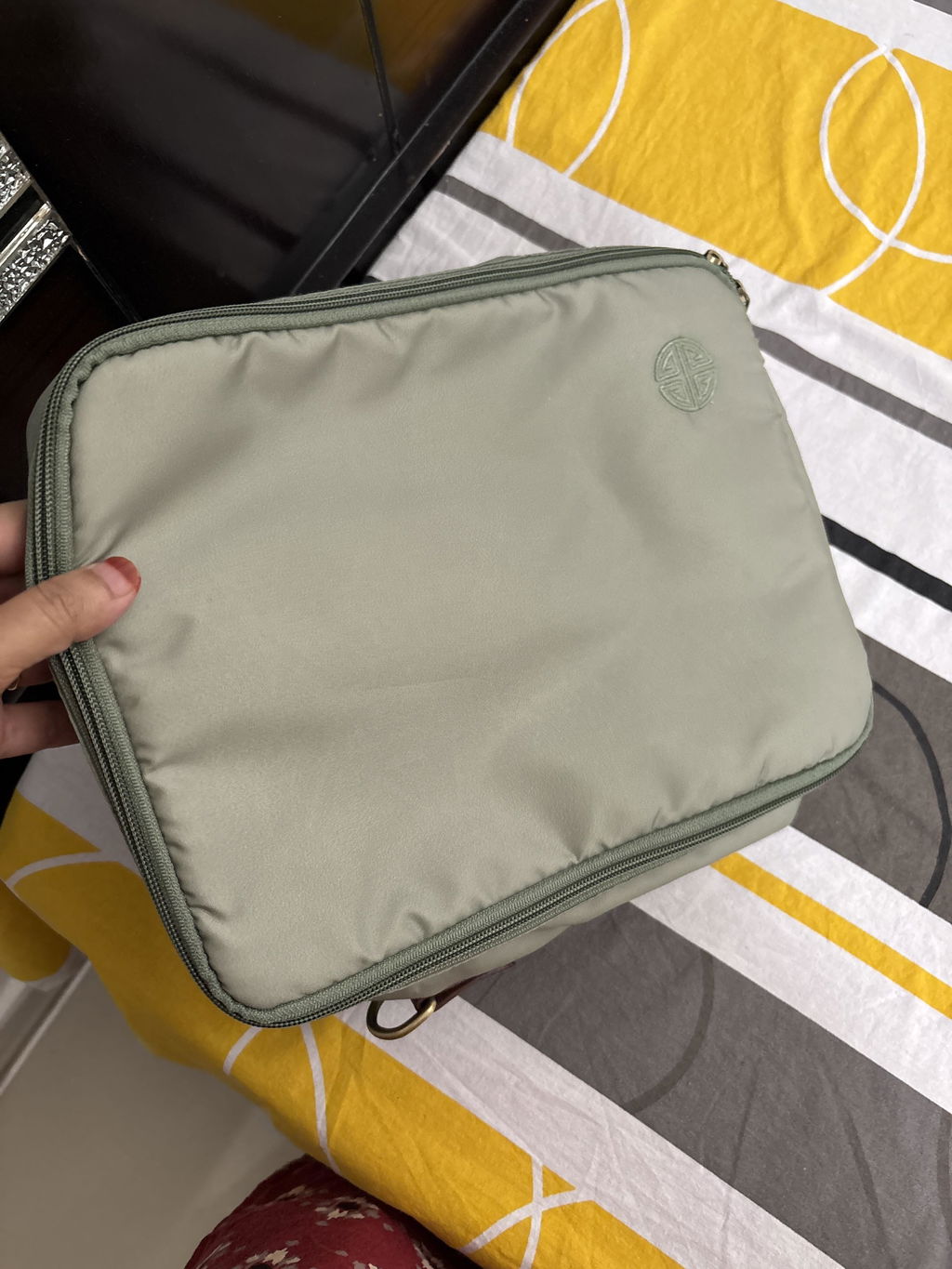
₹2,000 to ₹5,000: the tier where names change everything. The anonymous options are genuinely good: a Forest Essentials set, an Apple AirTag (the one tech gift that never duplicates badly), a DailyObjects hamper. But this is the budget where engraving turns a team gift into twenty individual gifts: an organiser set, the Overnighter Set of 4 (₹2,999) or Explorer Set of 5 (₹3,999), each with its owner's name. For a known recipient who wears and carries jewellery, Jewliet (₹3,499, MRP ₹3,999) is the statement piece; chosen for the person, never as a default gift for women.
₹5,000 to ₹10,000. Anonymous premium (quality earbuds, a Nappa Dori piece, a serious hamper) versus a significant named bag: the Weekender (₹6,999), the Cabin Wheelie (₹8,999, MRP ₹9,999, polycarbonate, 6-year warranty), or the Weekender Voyager Set (₹9,598, MRP ₹11,998), the tote plus the full six-piece organiser system.
₹10,000 and up. The traditional top end, Shaze objects, bulk Tanishq vouchers through Titan's corporate programme, hamper towers, carries taste risk in proportion to price. The engraved gift set is the low-risk statement: Cabin Voyager Set (₹11,998, MRP ₹14,998) or Cabin Weekender Set (₹12,798, MRP ₹15,998), one colourway, their name on it. Nobody owns too much good luggage.
The two tax lines your finance team will raise
The ₹5,000 line. Under India's income-tax rules, the perquisite value of gifts in kind from an employer is nil while the aggregate remains below ₹5,000 per employee per financial year. At ₹5,000 or more, the value is taxable as a perquisite in the employee's hands, and cash gifts are taxable from the first rupee (Income Tax Department guidance). It is why per-head budgets cluster under ₹5,000, why vouchers get finance scrutiny, and why the biggest gifts route to clients.
Input credit. GST paid on goods given away as gifts is generally blocked as input tax credit under Section 17(5) of the CGST Act (CBIC circular 92/11/2019-GST), so the gross price is the real price.
Both are widely applicable rules, not advice; confirm your programme's treatment with your finance team, and make sure any vendor can invoice the way finance needs.
Plan the year once, not five times
Teams that gift well run one calendar, not five scrambles. Sit with the year once: Diwali is the big line, joining season needs a standing welcome-kit decision, December needs a Secret Santa rule and the boss question settled, anniversaries and farewells need a default at two price points. One decision per moment, one vendor conversation, one budget.
Five questions to ask any gifting vendor
- Is the per-unit price transparent at my quantity, and what changes it?
- Can we see one finished sample, packaging included, before the full order?
- What personalisation is actually offered: names, logos, both, with what limits?
- What is the real lead time for my quantity with personalisation, in writing?
- Can you invoice the way my finance team needs?
Any vendor worth your budget answers all five without flinching. NORI's answers live on its corporate gifting page and a message away on the routes below.
How team orders work
- Reach out on a call, WhatsApp, Instagram DM, or hello@mynori.com with headcount, budget, and the moment; bulk pricing and personalisation are discussed per order.
- Pick a tier and one colour family.
- Send the names list after checking every spelling and confirming which products can be personalised.
- Mind the calendar: ready orders take about three days, engraving adds three to four before dispatch, festival seasons run slower, and express air-shipping within 24 to 48 hours exists for ready orders.
Questions teams actually ask
How do you choose a corporate gift?
Four decisions: name the actual moment, be honest about how well you know the recipient, decide what should happen after it is opened (shared, used, experienced, or chosen), and set the company's visibility. Then the category picks itself.
What is a safe gift for a mixed employee list?
Food done well, plants, broadly useful organisers and bags, or curated choice. Avoid sizes, fragrance, jewellery habits, and intimate categories unless the recipients are known.
What is a good corporate gift budget per employee in India?
Most companies land between ₹500 and ₹2,000 per employee for festivals, higher for milestones and leadership. Keep the ₹5,000 line in mind: gifts in kind become taxable for the employee when their aggregate value reaches ₹5,000 in the financial year.
Are corporate gifts to employees taxable?
The perquisite value of gifts in kind is nil while their aggregate value remains below ₹5,000 per employee per financial year. At ₹5,000 or more, the value is taxable, and cash gifts are taxable from the first rupee. Confirm with your finance team.
Can we claim GST input credit on corporate gifts?
Generally no: input credit is blocked on goods disposed of as gifts under Section 17(5) of the CGST Act. Budget the gross cost.
Are gift cards better than physical corporate gifts?
Cards win on logistics and lose on memory; everywhere-money reads as payroll. If choice is the point, curated choice reads as a gift: a NORI Gift Card runs from ₹999 and never expires.
Should corporate gifts have the company logo?
Use the logo where visibility is the job: onboarding, events, outward-facing merchandise. Use the name where appreciation is the job. Need both? Brand the card and wrapping; put the name on the gift. NORI engraves either.
What do employees actually keep from corporate gifts?
Things that enter daily life: organisers, bags, quality objects with their name on them. Things that do not: logo drinkware, desk trinkets, the third power bank.
What makes a good client gift?
Quality, discretion, and a connection to something known about the person. When little is known, a premium consumable or curated choice; when the relationship carried the year, a named object that passes the downstream test.
NORI designs thoughtful bags and travel gear in India around how people actually pack, carry, and move, and engraves them with names or logos, whichever the moment needs. Team orders: the corporate gifting page, call, WhatsApp, Instagram DM, or hello@mynori.com.