Are Packing Cubes Worth Buying in India? An Honest Answer
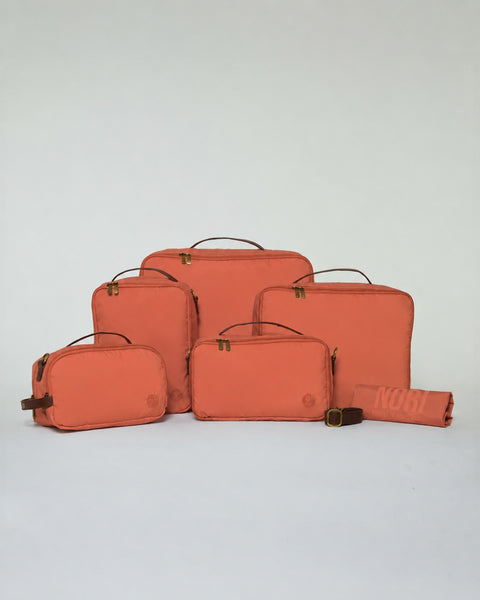
Packing cubes are a system and not just storage. NORI's packing cubes provide you with clarity in packing and unpacking. NORI's packing cubes set of 6 is an fortnight trip size packing system, it can be downplayed for a weekend trip or to a week long trip with combinations from the set of 6.

It's the night before your trip. Open suitcase on the bed, shoes mixed with shirts, toiletries threatening to explode. And a voice in the back of your head says: "There has to be a better way to do this."

There is — and it's called a packing system. Packing cubes are a big part of that, but before you spend anything you deserve a straight answer on whether they're worth it for how you travel in India.
Short answer: Yes — for most Indian travellers who fly 3–4 times a year, packing cubes are 100% worth it. Not because they magically create space, but because they change the entire experience of packing — from stressful guessing game to "I know exactly where everything is" on every trip.
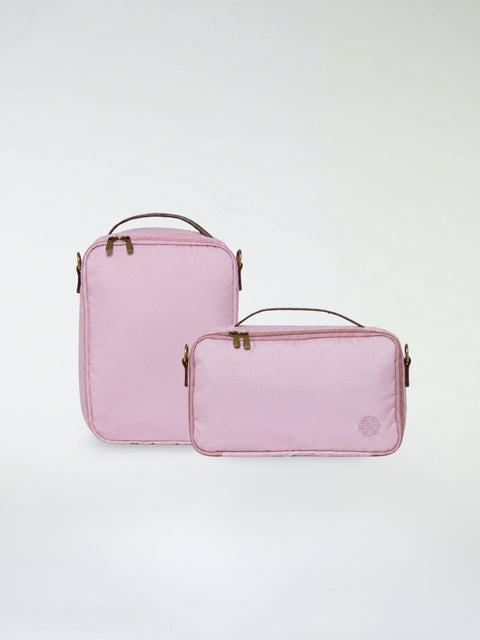
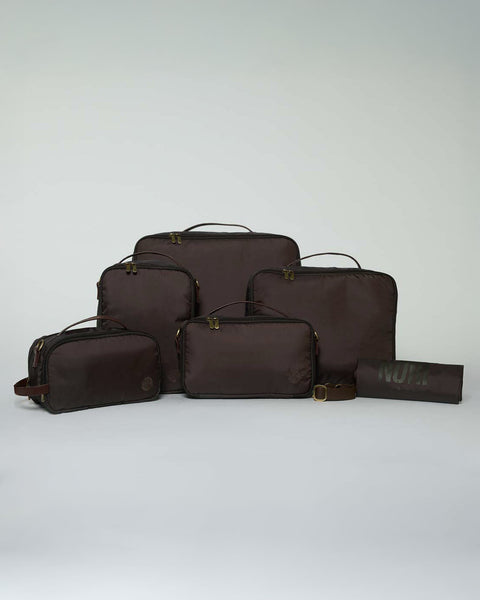
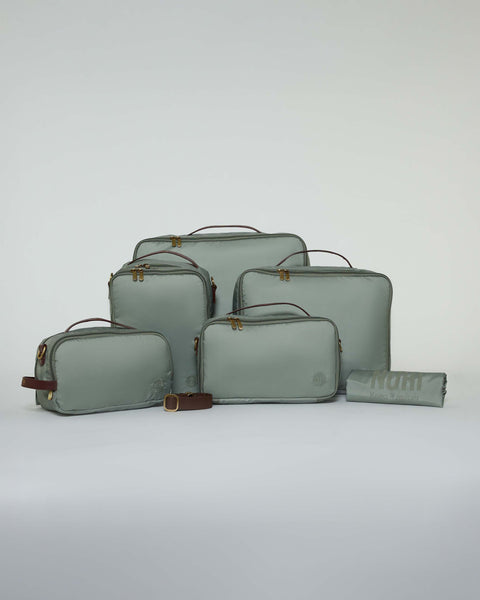
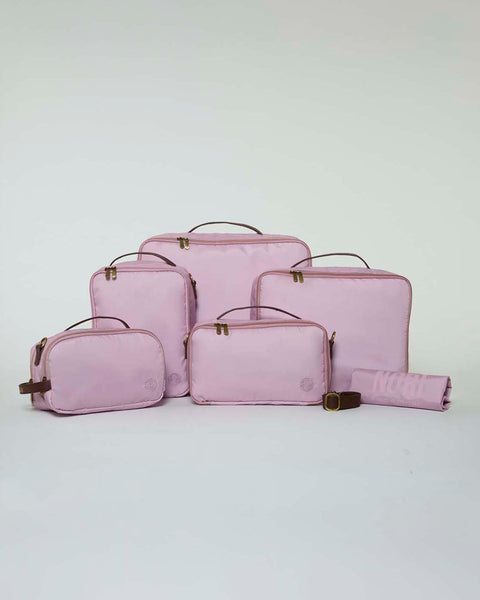
The NORI Voyager Set of 6 is built around that idea — six purpose-built cubes (Max for bottoms, Midi for tops, Vaulette for innerwear, Glowkit for makeup, Solemate for shoes, Dustbag for laundry) so everything has a home before you zip the bag shut. That system is what this article is really about.
What Are Packing Cubes, Actually?

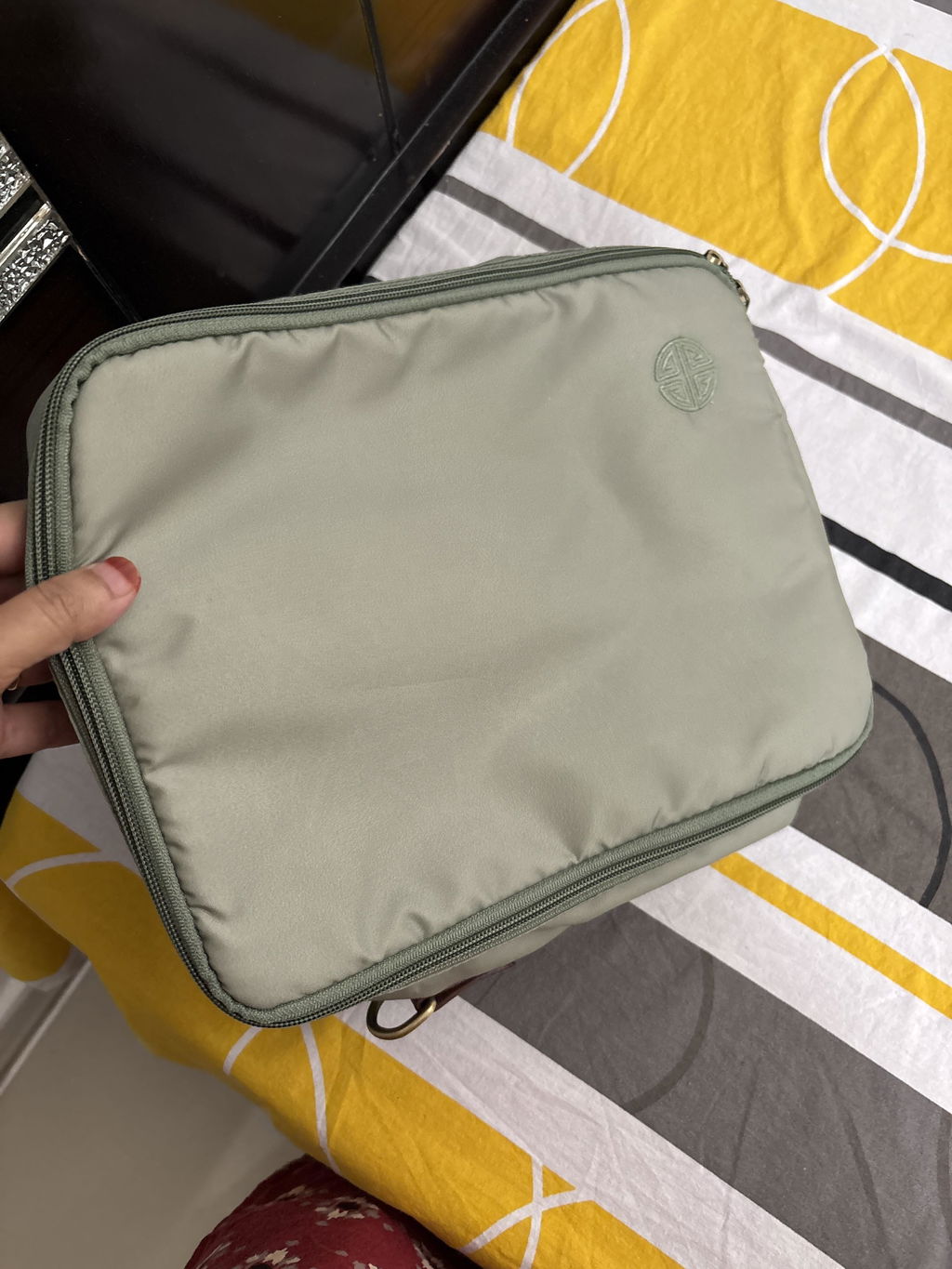
Think of packing cubes as removable drawers for your suitcase — fabric containers, rectangular and zipped, usually with a mesh or windowed top. You pack clothes into them by category before sliding them into your bag: tops in one cube, bottoms in another, innerwear in a third, shoes in their own bag.
The cubes stack neatly inside your bag like Tetris pieces. Everything is where it should be. You stop rummaging and start travelling.
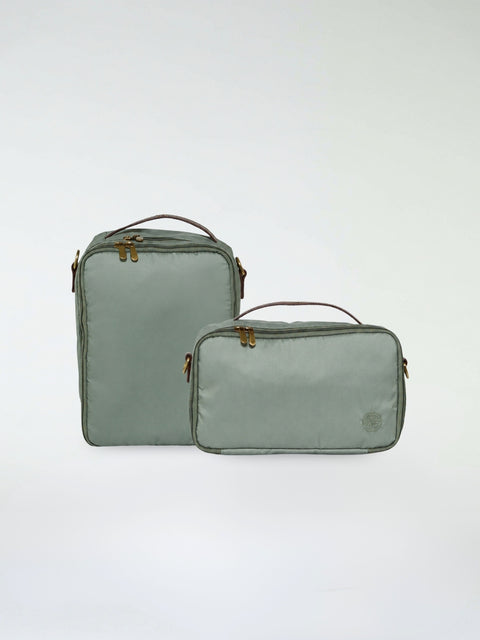
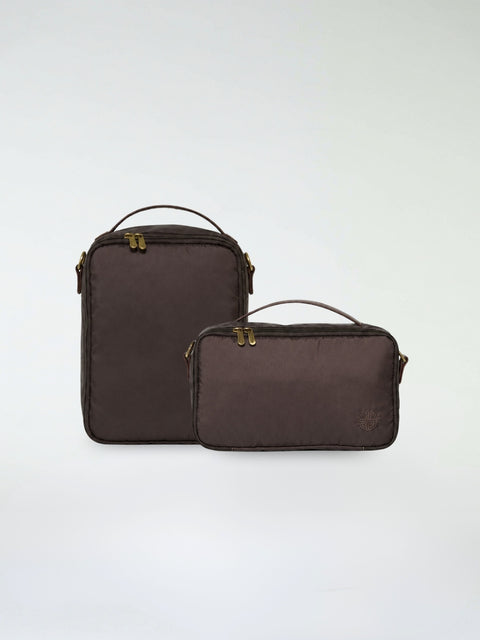
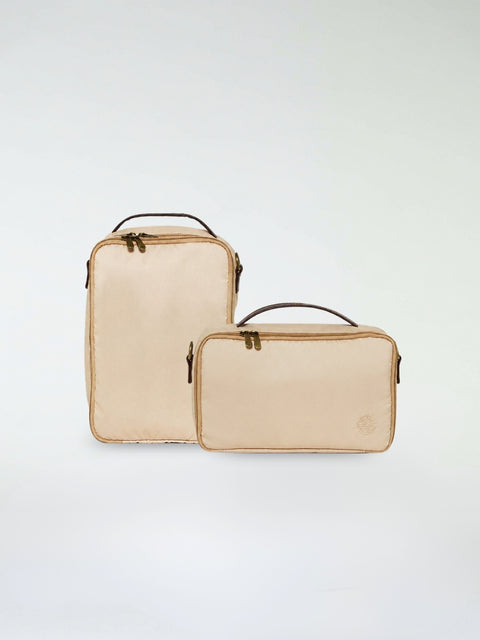
NORI's sets come in 4 sizes — Set of 2, 4, 5, or 6 — each designed for a different trip length. Each cube is purpose-built, made with water-resistant fabric, 2x tear-proof lining, and smooth zippers. Crafted in India, for Indian travel.
What Packing Cubes Actually Do — and What They Don't

Here's where most articles are misleading. Let's be honest about both sides.
What they DO:
- Give your bag structure — clothes don't shift, slide, or get buried during transit
- Make hotel unpacking instant — pull out a cube, slide it into the drawer, done in 90 seconds flat
- Kill the "where is my charger" panic — each cube has one job, always
- Separate clean clothes from worn ones — genuinely important on 7–10 day trips between multiple hotels
- Speed up CISF security checks — staff lift a cube rather than dig through your whole bag
- Stop you from overpacking — when the Max cube is full, you're done. The cube is the limit.
What they DON'T do:
- Standard cubes don't compress clothes or create physical space — they organise. Compression comes from a second zip (compression cubes do that)
- They don't reduce weight — your clothes weigh the same. A full set of 6 adds approximately 300–450 grams to your bag
- They won't break a chronic overpacking habit on day one — but the discipline of filling one cube per category usually kicks in after 2–3 trips
|
💡 The real product being sold: Packing cubes are a system, not a shortcut. One cube per category, every trip. Once that habit forms — and it forms fast — most people say they'll never pack without them again. NORI's sets are built so the system is already decided for you: every cube has a purpose, printed on it. |
Are Packing Cubes Worth the Money for Indian Travellers?

Let's run the actual numbers, because "worth it" means different things depending on how often you travel.
What unorganised packing actually costs you:
- Average Indian business traveller spends 25–40 minutes packing for a 3-day trip — re-estimating, re-folding, re-zipping
- IndiGo excess baggage fees start at ₹500 per kg. Unstructured packing = overweight bags = real money
- One toiletry leak ruining an outfit inside a disorganised suitcase costs more than a cube set
What NORI packing cubes cost:
- Max & Midi Set of 2 (starter set with laundry bag): ₹1,999
- Overnighter Set of 4 (weekend trips, cabin-only travel): ₹2,999
- Explorer Set of 5 (week-long trips): ₹3,999
- Voyager Set of 6 (15+ day trips, destination weddings): ₹4,999
- Cost per trip on the Voyager at 8 trips per year over 3 years: approximately ₹208 per trip
At ₹208 per trip — less than a single airport coffee — you get a system that saves 20–30 minutes every time you pack, keeps your clothes intact, and means you never dig through your whole bag looking for a phone charger again.
|
🔍 On cheap vs. NORI: A ₹400 Amazon set will organise your clothes once. Zipper failure is the most common complaint in Amazon packing cube reviews — and a broken zipper on day 3 of a 10-day trip is not a problem you want. NORI uses 2x tear-proof lining and smooth high-end zippers built for 100+ trips. That's the actual difference. |
Who Gets the Most From Packing Cubes in India?
Traveller Type |
The Real Benefit |
Verdict |
Frequent flyer (4+ trips/year) |
Same system every trip. Less mental load. Faster check-in and hotel unpack. |
✅ ROI in first 2 trips |
Business traveller (Delhi–Mumbai–Bengaluru) |
Back-to-back trips need back-to-back organisation. Clean/dirty separation saves you from sniff-testing shirts. |
✅ Time = money |
Family with shared suitcase |
Colour-code one cube per person. No more "where's my charger" becoming a group activity at 11pm. |
✅ Very high value |
Goa/Pondicherry/Coorg weekend planner |
Pre-pack your Overnighter Set of 4, grab it, and walk out the door. Cabin-only travel sorted. |
✅ Good value |
Solo female traveller |
Every cube = a compartment. Hygiene separation, quick CISF checks, privacy in shared spaces. |
✅ High value |
Once-a-year leisure traveller |
Organisation + easier hotel experience. Worth it — just lower frequency ROI. |
⚠️ Moderate |
Table: Value by Indian traveller type. Frequency and trip complexity = higher ROI.
The Four Doubts — Answered Directly
"Won't they make my bag heavier?"
Marginally. A full set of 6 adds approximately 300–450 grams, less than a paperback novel — worth knowing if you're on an IndiGo domestic flight with a strict 7kg cabin limit. But the flip side: a well-used cube system usually means you pack less overall, bringing total weight down. The cubes don't just hold things — they impose limits.
"Aren't they just expensive bags inside my bag?"
Only if you use them wrong. Throw everything into one cube with no category logic and yes, that's exactly what they are. Use them as NORI intended — Max for bottoms, Midi for tops, Vaulette for innerwear, Glowkit for makeup, Solemate for shoes, Dustbag for laundry — and they become a system that removes all packing decisions, every trip.
"Do they actually save space?"
Standard cubes save rummaging space and mental space, not raw physical volume. The real space gains come from rolling clothes before cubing them (less air) and uniform rectangular cubes that Tetris-stack more completely than randomly shaped rolled items. Compression cubes (with a second zip) do actively reduce bulk — by up to 30% for soft fabrics.
"I already have a big suitcase — do I need these?"
A big suitcase without structure is just a bigger version of the same problem. Suitcase size and packing efficiency are entirely different things. Most frequent Indian travellers find that adding a cube system to the bag they already own works better than buying a new bag — the cubes adapt to any suitcase, not the other way around.
Packing Cubes vs Rolling Clothes — Which Is Better?

Rolling is a great technique — it reduces creases and uses corner space well. But packing cubes aren't a replacement for rolling; they're a container system that works on top of it. Best approach: roll your clothes first, then slide them into the relevant cube by category.
What cubes give you that rolling alone can't is a system that stays intact across a multi-hotel trip. Rolling loose works fine if you open your bag once — but the moment you're moving hotels on a Bengaluru–Goa–Kochi itinerary, rolling without cubes becomes chaos by day three.
|
🧳 NORI System Note: Every NORI packing cube set comes with a trolley pass-through sleeve and a convertible shoulder strap — so each cube doubles as a standalone carry bag outside your suitcase. Classy enough to carry at airports, hotels, or on a beach day. That's the NORI difference: products designed for the whole journey, not just the packing part. |
FAQ
Are packing cubes worth buying in India for a short 2-day trip?
Absolutely. Even for a 2-day trip, NORI's Overnighter Set of 4 lets you pack in under 10 minutes and unpack in under 2 minutes. For anyone doing the Delhi–Mumbai–Bengaluru circuit regularly, the Overnighter Set pays for itself within the first month. Pre-pack it, grab it, go.
Are packing cubes allowed in cabin baggage on IndiGo, Air India, and Vistara?
Yes — fully allowed on all Indian carriers including IndiGo, Air India, Vistara, SpiceJet, and Akasa Air. They're fabric organisers with no restrictions. NORI's cubes are designed with IndiGo's 7kg, 55×35×25cm cabin limit in mind, so they stack efficiently within those exact dimensions.
Are NORI packing cubes worth it compared to cheap Amazon alternatives?
For 1–2 trips a year, a budget set works. For anyone travelling more, NORI's 2x tear-proof lining, smooth zippers, and purpose-built compartments are worth the difference. NORI has 97 reviews at 86% five-star. Zipper failure is the most common complaint in Amazon reviews of cheap packing cubes — and that complaint doesn't appear in NORI's.
The Verdict
Yes — packing cubes are worth buying in India. The condition: use them as a system, not as storage bags. One cube per category, every trip. The habit forms in two or three trips, and after that most people say it's one of the best travel purchases they've made.
For Indian travellers specifically — airline cabin limits, destination weddings with sarees and heels, multi-hotel domestic trips, shared family suitcases — a structured packing system isn't a luxury. It's just a smarter way to travel. And nothing says confidence like knowing exactly where everything is.
|
👉 Ready to stop guessing and start moving? NORI's Voyager Set of 6 (₹4,999) covers a full Indian wardrobe — Max cube for 6–8 bottoms, Midi for 10–12 tops, Vaulette for innerwear, Glowkit for makeup and toiletries, Solemate for 3–4 pairs of shoes, Dustbag for laundry. Water-resistant. 2x tear-proof lining. Trolley pass-through and convertible strap on every cube. Crafted in India. Free shipping. 30-day no-questions return. → mynori.com |
Continue reading:
- Packing Cubes vs Rolling Clothes — Which Saves More Space?
- How to Pack for a 5-Day Trip Using Only Cabin Baggage
- How to Pack Shoes Without Ruining Your Clothes → mynori.com/blogs/nori-travellers-notes/travel-shoe-organiser
- Shop All NORI Collections → mynori.com/pages/nori-travel-collections